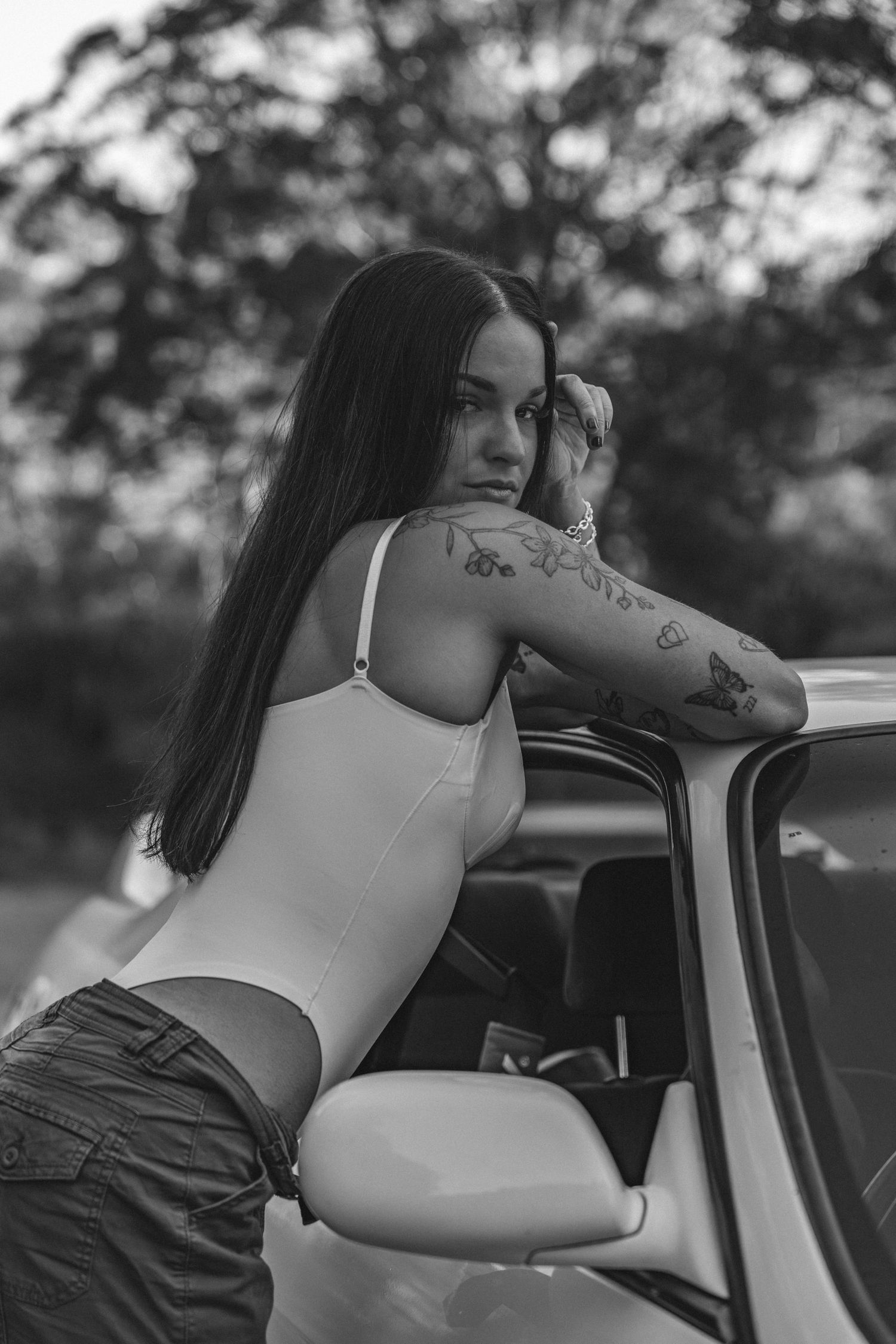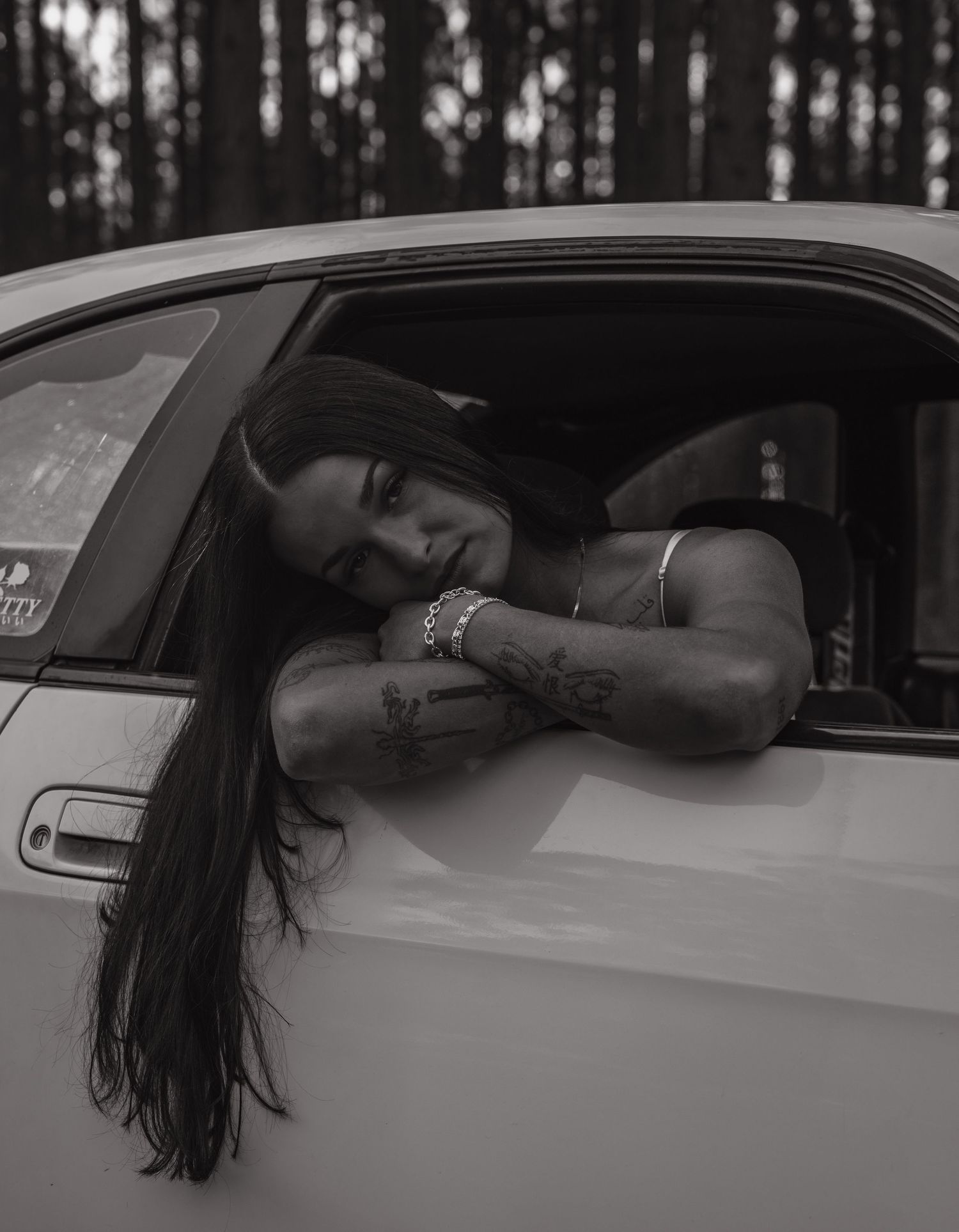
in photography, expression is not meant to be static.
Why Holding One Expression Doesn’t Work
When someone holds the same expression for too long, it often becomes:
- slightly forced
- less emotionally connected
- visually repetitive across images
- disconnected from movement
Even if it looks “nice,” it can start to feel flat when viewed as a full gallery.
Real Expression Changes Naturally
In everyday life, your expression constantly shifts:
- reacting to conversation
- responding to movement
- softening and laughing
- thinking, pausing, reconnecting
These micro-changes are what make someone feel alive in images.
Why Variation Matters in a Gallery
A strong portrait set should feel like a sequence, not a repetition.
Expression variation creates:
- emotional depth
- visual interest
- storytelling flow
- authenticity
It helps the viewer feel like they are experiencing moments, not just viewing poses.
The Problem With “Camera Smile”
Many people default to one controlled expression when the camera is on them.
The issue is not the smile itself - it’s the repetition of it without change in emotion or context.
It can remove natural contrast between moments.
What Strong Portrait Sets Actually Contain
A well-rounded gallery often includes:
- soft, neutral moments
- natural laughter
- quiet in-between expressions
- movement-based reactions
- connection-focused looks
This variation is what makes images feel real over time.